The Case Against the Single Statement Piece: Why a Curated Gold Portfolio Outshines Any Solo Treasure
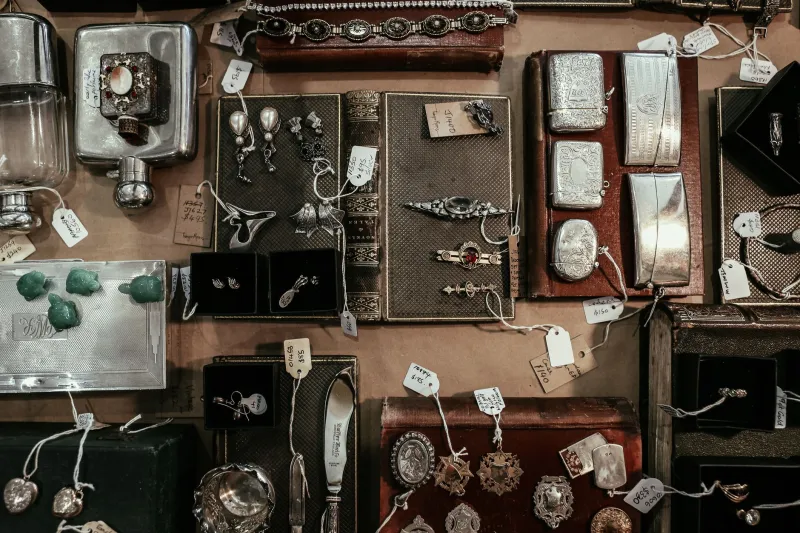
For decades, a particular piece of advice has circulated through fashion editorials, personal styling consultations, and well-meaning family wisdom: find your signature gold piece and wear it always. The implication is that true elegance lives in restraint, that one perfectly chosen item speaks louder than many, and that devotion to a single treasure is somehow the mark of a refined sensibility.
It is a compelling story. But it is, upon closer examination, an incomplete one.
The most accomplished collectors — those who approach gold jewelry with the same deliberate intelligence they bring to other significant investments — have quietly moved past this notion. In its place, they have built something more nuanced, more versatile, and ultimately more rewarding: a curated portfolio of gold pieces, each chosen with purpose, each serving a distinct role in a well-considered life.
Where the Myth Comes From
The signature piece ideal did not emerge from nowhere. It reflects a certain mid-century aesthetic logic, one that prized uniformity and simplicity at a time when women's wardrobes were more constrained and social occasions less varied. A single gold necklace or a pair of classic earrings made sense when the range of contexts one navigated in a week was relatively narrow.
Contemporary American life is anything but narrow. A woman of means today might move between a morning video call with international colleagues, a school fundraising luncheon, a gallery opening, and a weekend in the Hamptons — all within the span of a few days. The notion that one gold piece should serve all of these moments with equal grace asks far too much of any single object, no matter how exquisite.
The signature piece myth also carries an unspoken economic assumption: that acquiring more is somehow excessive, that the truly refined collector stops at one. This conflates minimalism with wisdom. In reality, building a thoughtful collection is not indulgence — it is strategy.
The Portfolio Approach: Three Essential Roles
Think of a curated gold collection not as an accumulation, but as a portfolio in the truest sense — a set of assets, each performing a specific function and appreciating in value, both financially and personally, over time.
The Everyday Essential
Every well-considered collection begins with a piece that earns its place through daily presence. This is not necessarily the most dramatic item you own; it is the most reliable. A fine gold chain of understated weight, a pair of small hoop earrings in 18-karat yellow gold, a delicate bracelet that moves with you through the hours — these pieces do the quiet work of anchoring your appearance without demanding attention.
The everyday essential is chosen for durability, wearability, and a certain neutrality that allows it to coexist with nearly anything. It becomes, over years of faithful wear, something almost biographical. But unlike the mythologized signature piece, it does not carry the burden of representing you entirely.
The Heirloom-Worthy Statement
Distinct from the everyday essential is the piece acquired with posterity in mind — the one you purchase knowing it will outlast you. This might be a sculptural gold cuff with genuine artistic merit, a substantial necklace in a design that transcends trend, or a ring of sufficient weight and craftsmanship to pass from hand to hand across generations.
The heirloom-worthy statement does not need to be worn constantly. Its power lies partly in its selectivity. When it appears, it signifies something: occasion, intention, a particular quality of presence. Owning this piece alongside others means you can deploy it with precision rather than relying on it by default.
The Transitional Piece
Perhaps the most underappreciated category in a gold portfolio is the transitional piece — the item that bridges contexts, that moves a look from daytime restraint to evening authority with minimal adjustment. A pair of convertible drop earrings. A layering necklace that reads differently against a blazer than it does against a décolletage. A gold ring substantial enough to anchor an evening ensemble but refined enough for the office.
The transitional piece is where genuine versatility lives. It is the item that makes the rest of your collection more functional, more responsive to the actual complexity of your days.
The Real Luxury Is in Having Options
There is a particular kind of confidence that comes from opening a jewelry case and knowing that you have what you need — not because you own everything, but because you own the right things. This is the quiet luxury that a curated portfolio provides, and it is categorically different from the anxiety of asking one piece to do too much.
The signature piece myth, for all its romantic appeal, can actually constrain the wearer. When a single item becomes your defining jewelry statement, you become dependent on it. If it needs repair, you feel incomplete. If your aesthetic evolves — as it inevitably will — you may find yourself tethered to a choice made in a different chapter of your life.
A portfolio, by contrast, grows with you. Early acquisitions reflect one set of priorities; later ones reflect another. The collection becomes a kind of autobiography in gold, each piece marking a moment, a decision, a version of yourself worth preserving.
Collecting with Intention, Not Impulse
None of this is an argument for acquiring indiscriminately. The portfolio approach demands more discipline than the signature piece model, not less. Each addition should be considered against what already exists: Does this piece fill a genuine gap? Does it complement rather than duplicate? Is it made to a standard that justifies its place among what I already own?
The most admired collectors are not those with the largest collections, but those whose collections feel coherent — as if every piece belongs, as if some guiding intelligence shaped the whole. That coherence is not accidental. It is the result of patience, of resisting the impulse to acquire and instead waiting for the piece that earns its place.
At Vero Gold, this philosophy informs everything we curate. Gold worn with intention means gold chosen with care — not just for what a piece is, but for what it does, how it relates to everything around it, and what it will mean years from now.
Rethinking What It Means to Have Enough
The question is not whether you need one gold piece or many. The question is whether the gold you own is working as hard as you are — serving your life with the same intelligence and versatility you bring to everything else.
A single signature piece can be a beautiful thing. But a collection built with purpose is something rarer: a reflection of a life fully considered, adorned not by habit or convention, but by genuine discernment.
That, in the end, is what luxury has always meant.